SPONSOR SPOTLIGHT
Finding form and focus in Penn’s Master of Philosophy in Liberal Arts
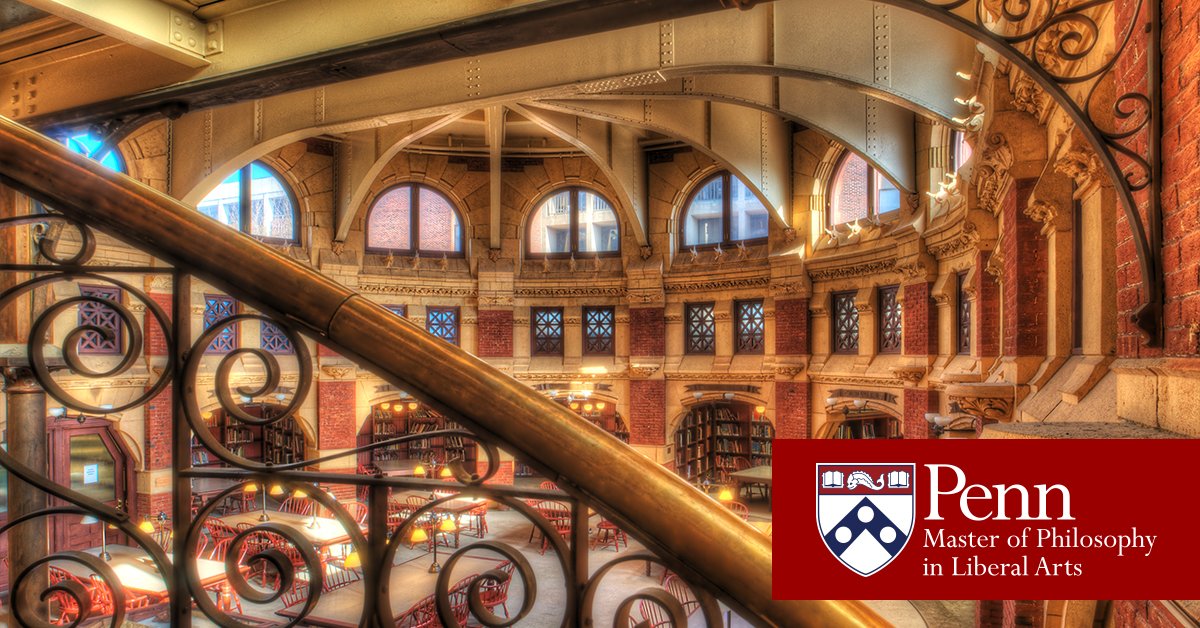
The Master of Philosophy in Liberal Arts (MPhil) at the University of Pennsylvania is an advanced interdisciplinary graduate degree that invites you to dive deeply into the subjects that ignite your academic curiosity. Ideal for students and professionals who have already completed a master’s degree, the MPhil degree requires five courses and an independent study that forms the basis of your thesis—a final research paper or creative project that applies interdisciplinary knowledge and methods to a project of your own design.
For Bryan Faller (Master of Philosophy in Liberal Arts ’24), the MPhil provided support and structure for a book idea that was seeded in research he began as a graduate student in 2009. “I loved the fact that in the MPhil I could expand upon the work I'd already done,” says Bryan. “And a lot of the creative writing classes helped me to tease out how to approach such interdisciplinary information and piece a narrative together in a cohesive way.”
One of the first writing courses Bryan took was titled Writing Experiments. “It was like nothing I’d ever done before,” he recalls. “It was such a great course for me to be exposed to different examples of weird and unusual literature that I never would have had the opportunity to read in any other context.” Another writing workshop that influenced him was titled Creative Research. “It was basically a research methods class, about how to dive in and think about a project,” says Bryan. “That was amazing, because it forced me to articulate what questions I’m asking. What am I doing? How am I going to do it?” The professors for these two workshops ultimately became Bryan’s thesis advisors.
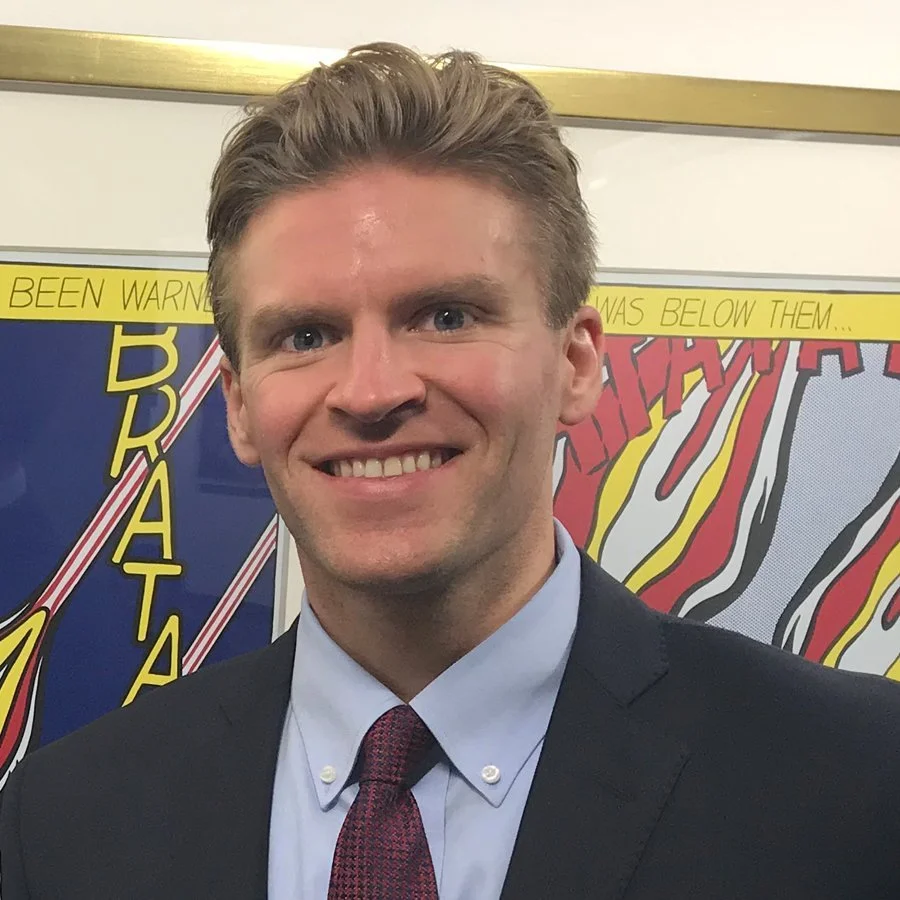
The thesis, at its center, is about the intersection of art and finance—a junction that Bryan is uniquely positioned to examine as a fiduciary and art dealer. “Essentially, the questions I am asking are concerning the politics of taste and taste making,” he says. “The most fundamental question is, why does the art historical canon exist? Who decides what is art and what is good, and who decides what remains and what does not remain? And when you boil it down, it's the people that are supporting the artist: the collectors and dealers and curators who have a stake in the game. So there's an economic incentive.” The implication of this research, says Bryan, punctures the mythology of artistic genius; there are many more factors that influence artistic legacy. “You have to have talent, of course, but you also have to be aligned with people with power and money to make sure that your market is created and then supported in perpetuity,” says Bryan.
Bryan’s MPhil thesis ultimately took the form of a hybrid project that allowed him to explore different styles of writing—capturing the larger-than-life stories told by his early interview subjects, who were artists and art dealers with vivid recollections of (for example) living alongside Picasso in Paris. “These previously unrecorded histories help you understand what actually shaped the creative decisions they were making at any given time,” explains Bryan. Thesis also explores academic conversations about art and economics, sometimes conducted with scholarly connections Bryan made through the program. As a whole, the thesis forms the underpinnings of Bryan’s forthcoming book—currently in the proposal stage, and receiving interest from a range of publishers. “I haven't even written the book yet!” says Bryan. “I’m getting a lot of great feedback, which is always helpful and encouraging.”
“I had a fantastic experience," Bryan concludes. "The way the MPhil is designed is really helpful for people who want to pursue an intellectual project?. And it's so incredibly flexible. There are no constraints.”
Whether you want to pursue a passion project, explore new subjects, or prepare for academic or professional advancement, the MPhil program offers the independence of self-directed study with the expertise of world-class faculty. Contact our program director, Dr. Christopher Pastore, to schedule an appointment to review your current research and explore your options for pursuing a Master of Philosophy in Liberal Arts at Penn.(215) 898-7326
lps@sas.upenn.edu
www.upenn.edu/mla-mphil